Maximizing Training Efficiency with IPSC Stage Bundles
When I started competing in IPSC, the hardest part wasn't the shooting itself. It was figuring out how to replicate a match environment during practice. You can drill draws and reloads all day, but if you have never worked through a stage with moving targets, no-shoots, and tight shot calls, you will hit a wall on match day. That gap between raw skill and stage performance is where most shooters plateau. Over the years, I have tried every approach to close it. The single most effective tool I found is using purpose-built IPSC stage bundles.
What Makes a Stage Bundle Different
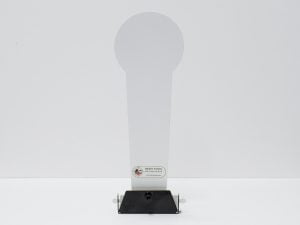
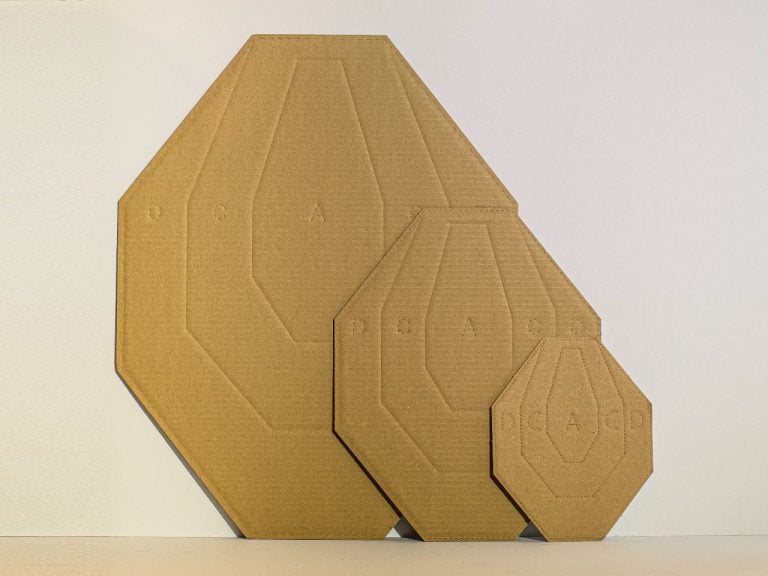
A stage bundle is not a random collection of targets thrown in a box. It is a curated set designed to simulate a specific course of fire. The best bundles include a mix of IPSC metric targets, mini poppers, and no-shoot overlays that force you to make accurate target discrimination under time pressure. Some bundles also include hardcover panels or swinger targets that require precise timing. The idea is that you can set up a stage in your practice bay that mirrors the kind of stage you will see at a level II or level III match. You are not just practicing shooting. You are practicing problem solving.
I remember one local match where the stage design included a hardcover target at fifteen meters with a partial A-zone exposure. Most shooters either dumped the whole magazine into the hardcover or skipped it entirely. The guys who had trained with similar hardcover setups in their stage bundles knew exactly how to index the visible zone and make the shot count. That is the difference between practice that makes you comfortable and practice that makes you competitive.
Why Bundles Beat Buying Singles
Pricing is one reason, but not the main one. When you buy targets individually, you tend to buy what you are already comfortable with. You grab a few metric targets because you know those. You skip the poppers because you think you will get to them later. Later never comes. A stage bundle forces variety into your training. You end up with a selection of targets that you would not have chosen on your own, and that variety exposes weaknesses you did not know you had.
There is also the logistics angle. Good stage bundles are packed and shipped as a unit. The targets are often pre-scored or pre-cut, so you spend less time prepping and more time shooting. For a shooter who trains twice a week, that time saving adds up fast. I have seen shooters spend an hour setting up a stage from individual targets, only to run it three times and pack it up. With a bundle, you can rip through the setup in twenty minutes and get five or six solid runs in the same session.

Building a Practice Session Around a Bundle
Here is how I structure a session using IPSC stage bundles. First, I look at the bundle contents and decide which target array will challenge the specific skill I want to work on. If I am working on transitions, I pick a bundle with multiple mini poppers spread across a wide arc. If I am working on precision under time, I pick a bundle with hardcover targets at distance.
Once I have the array set up, I run the stage cold. No walkthrough, no plan. That first run tells me where my natural tendencies take me. Then I run it again with a deliberate plan. Then I run it under the clock. The third run is usually the worst because the pressure changes everything. That is where the real learning happens. After that, I break the stage down and practice each element individually before putting it all back together.
One thing I have learned is that you should not try to master every bundle in one session. Pick one bundle, run it until you can execute the stage with consistent accuracy and time, then move on. Trying to cover too much ground in a single practice session leads to sloppy fundamentals and bad habits.
Selecting the Right Bundle for Your Skill Level
New shooters often make the mistake of buying advanced stage bundles that include swingers, drop-turners, and multiple no-shoots. They end up frustrated because they lack the baseline movement and target acquisition skills to make use of those targets. Start with a simple bundle that includes standard metric targets and a few static poppers. Learn to move efficiently between positions and make accurate shots on open targets. Once you can shoot a simple stage clean and fast, graduate to bundles with hardcover and no-shoot overlays. The most advanced bundles include moving targets that require tracking and timing. Those are for shooters who already have solid fundamentals and want to simulate the hardest match stages they will face.
I always tell newer competitors to buy one bundle and run it until they can beat their own time three sessions in a row. Then buy a different bundle. That progression builds a library of skills that transfers directly to match performance. It is far better than owning ten bundles and only using each one once.
Common Mistakes When Using Stage Bundles
The biggest mistake I see is using the same bundle the same way every time. If you always set up the targets at the same distances and the same angles, you train your brain to a fixed pattern. Match stages are never the same. Vary the placement. Move the no-shoot targets to different positions. Change the order of engagement. The bundle is a tool, not a script.
Another mistake is neglecting the physical side. A stage bundle can teach you target discrimination and shot placement, but it will not teach you how to move efficiently or how to reload on the move. Those skills need separate practice. Use the bundle to test your movement under the same conditions you will face at a match. If the stage requires a reload while moving between positions, practice that reload with the bundle in place. Do not just stand still and shoot the targets.
Finally, do not hoard bundles. If you have a bundle that you have not used in six months, either use it or pass it on to a training partner. Stale gear collects dust. Active gear makes you faster.
Real Match Application
At a recent level II match, the final stage had a long array of targets that included a mix of metric targets, a mini popper, and a no-shoot positioned directly in front of a critical A-zone. The stage required the shooter to engage the popper first, then transition to the metric targets, then come back to the no-shoot area for a precise shot on the exposed zone. I had practiced that exact sequence using a stage bundle that included a similar no-shoot overlay. When the buzzer went off, my hands knew what to do. I did not have to think about it. That is the whole point of training with bundles. You build automaticity for specific stage elements so that under pressure, your body executes while your mind stays calm.
Most shooters who struggle with stage performance are not bad shooters. They are bad at stage management. They freeze when they see a complex array because they have never seen anything like it before. Stage bundles eliminate that surprise. They expose you to the variety of target configurations you will face, so when you step up to the line, you are not learning. You are executing.
For anyone serious about improving their IPSC performance, I recommend investing in a few well-chosen IPSC stage bundles and committing to a structured practice routine that uses them as the backbone of each session. The return on that investment shows up where it matters most: on the match results sheet.
Shoot N' Train, located at Thermopilwn 17, Keratsini 187 57, Greece, can be reached at +30 697 837 6939 for those looking to purchase premium IPSC, action air, and airsoft targets for shooting practice and training.
Connect with us on Facebook.